01TREND
Cross-Platform Worlds
Persistent universes that follow players from PC to mobile to handheld without breaking immersion.
Seoul Bureau / Live Feed
Ulvexora is an editorial publication mapping the people, hardware, arenas and ideas that made South Korea the spiritual capital of competitive play — and where it goes next.
01 / Field Report
Persistent universes that follow players from PC to mobile to handheld without breaking immersion.
Neural-driven NPCs that adapt, remember and respond — moving beyond scripted behavior into true companionship.
Seasonal storytelling models that turn games into ongoing cultural events rather than static products.
Streaming infrastructure removing hardware as a barrier and reshaping how Korean players access AAA titles.
Hybrid mechanics where each player plays a fundamentally different role inside a shared match.
Headset-based experiences finally moving beyond novelty into long-form, replayable gameplay loops.
02 / Atlas
GENRE
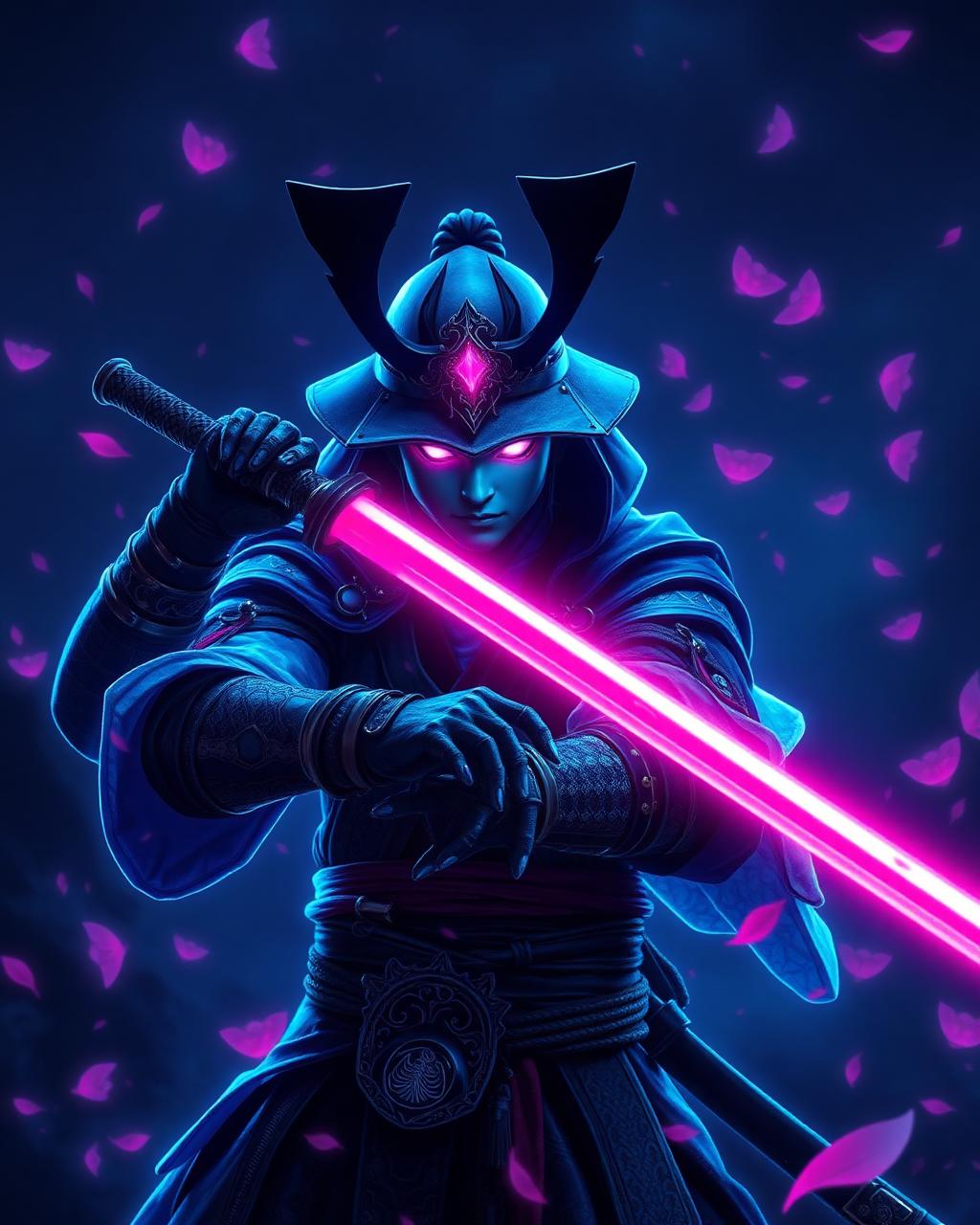
Sprawling worlds, deep progression systems and decades of community traditions rooted in Korean PC culture.
GENRE
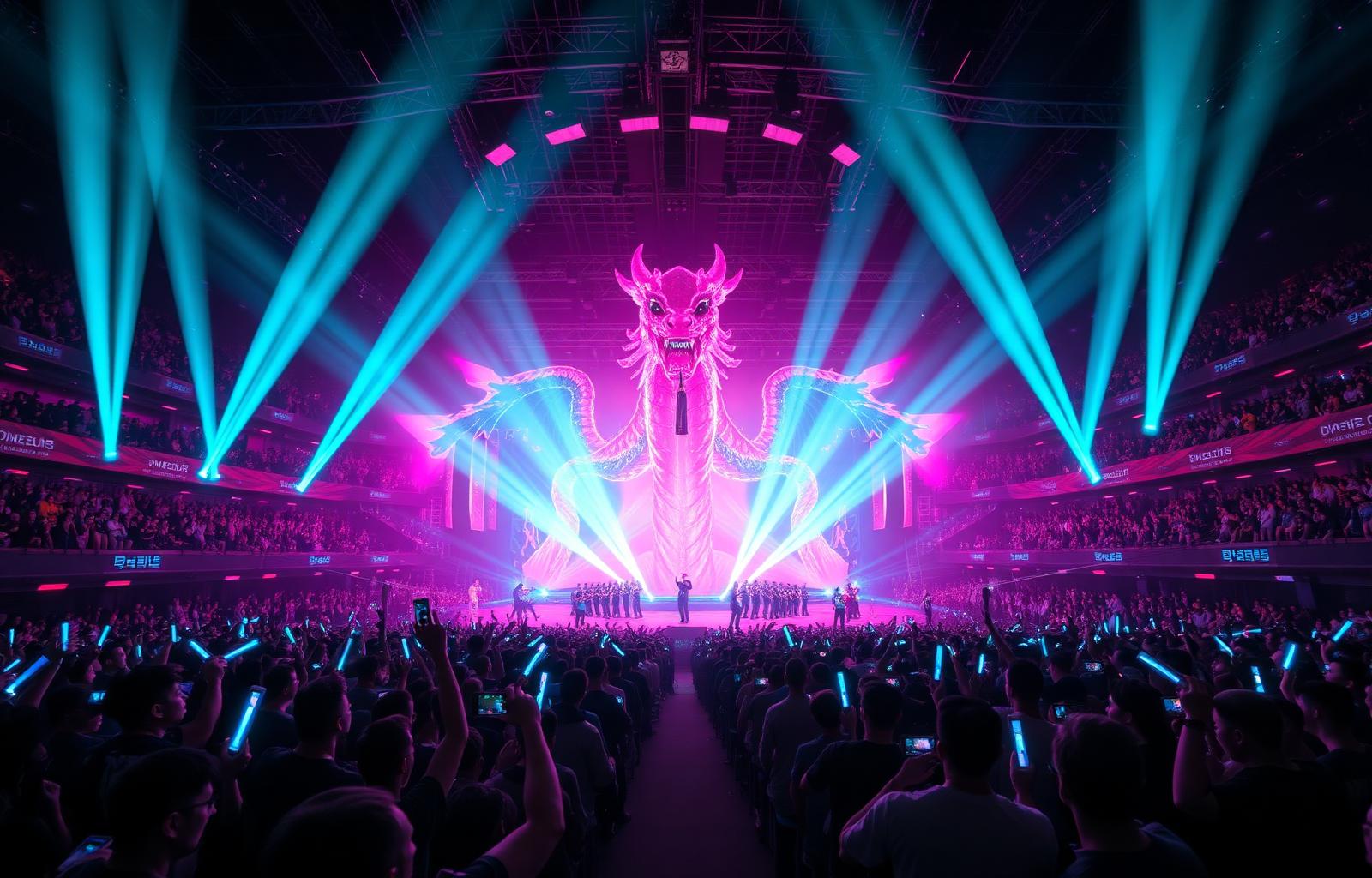
Five-on-five tactical combat that built the modern esports stage and still dominates Seoul's competitive scene.
GENRE
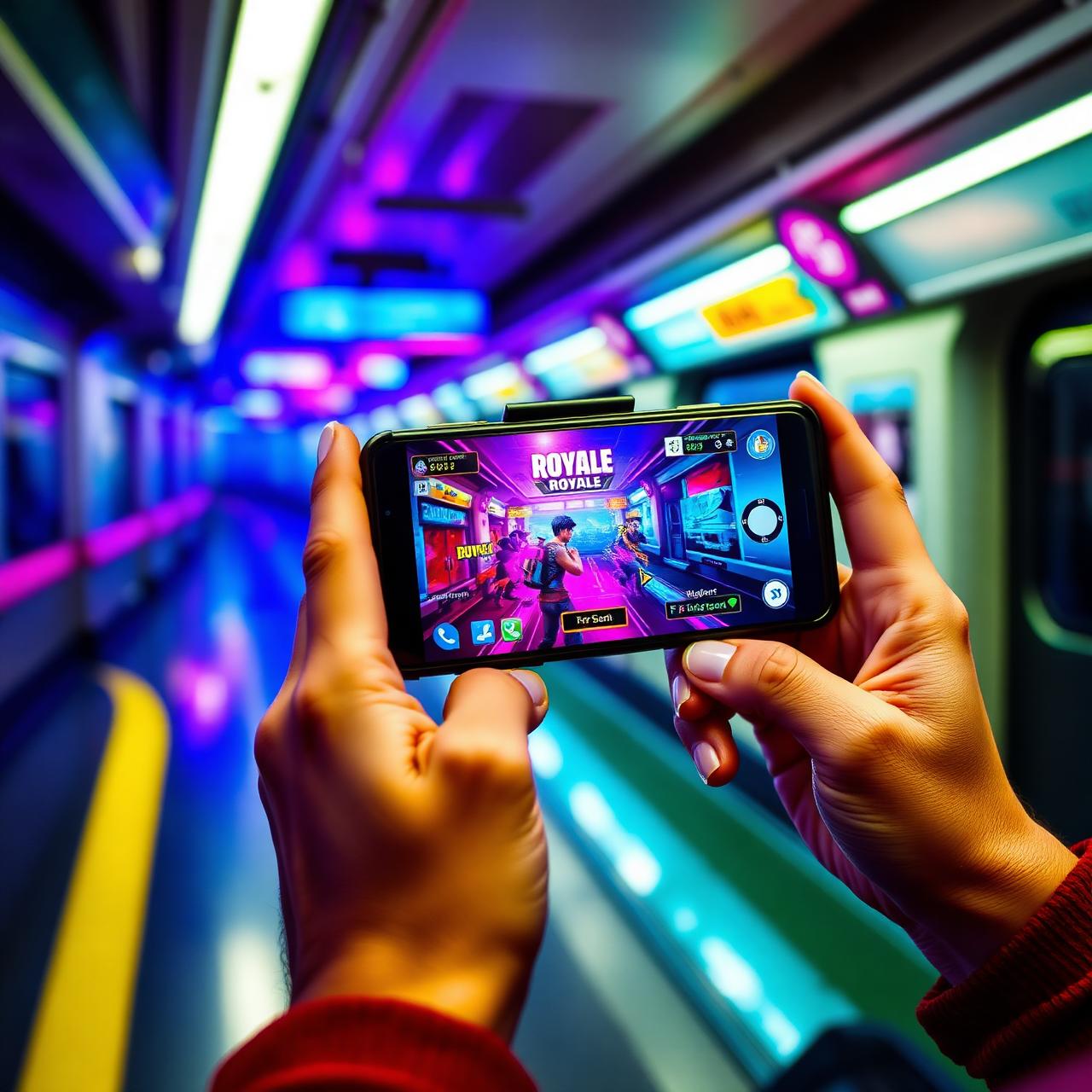
Last-player-standing tension reshaped by Korean studios into mobile-first global phenomena.
GENRE
A homegrown genre with arcade roots, where pixel precision meets K-pop choreography.
GENRE
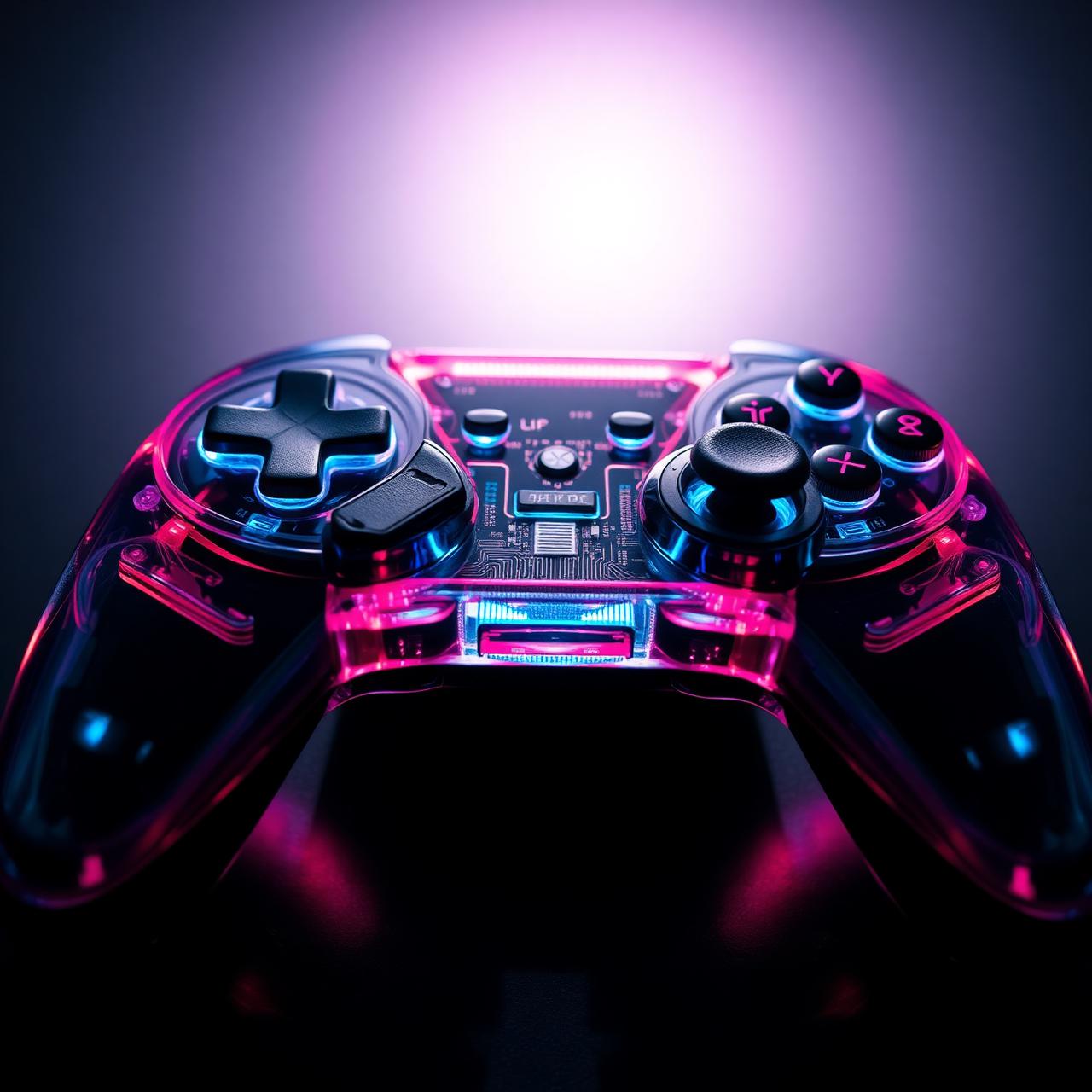
Recoil-pattern mastery, comms discipline and the highest APM ceilings on the planet.
GENRE
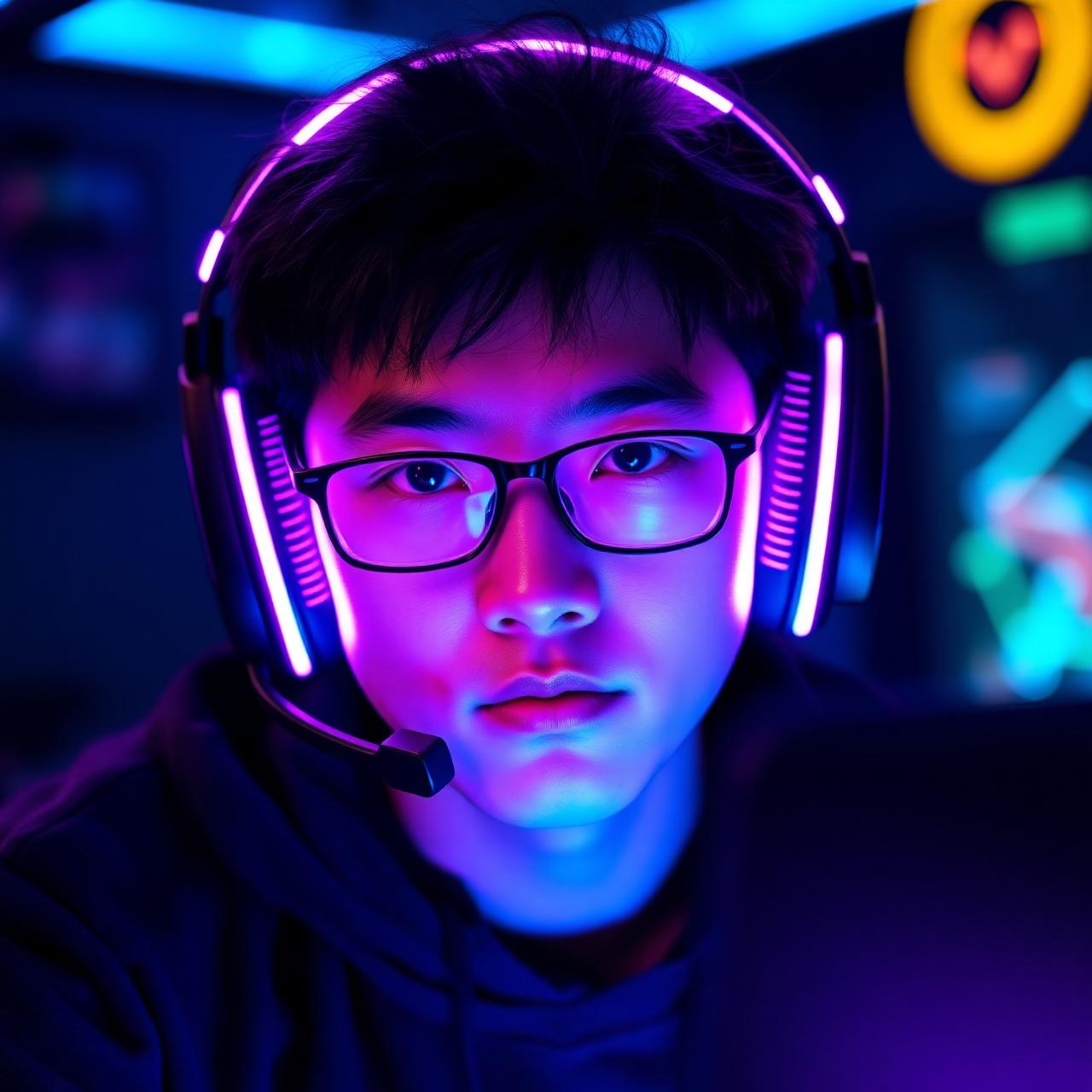
Slow-paced social experiences trending as a quiet counter-current to hyper-competitive titles.
03 / Dispatch
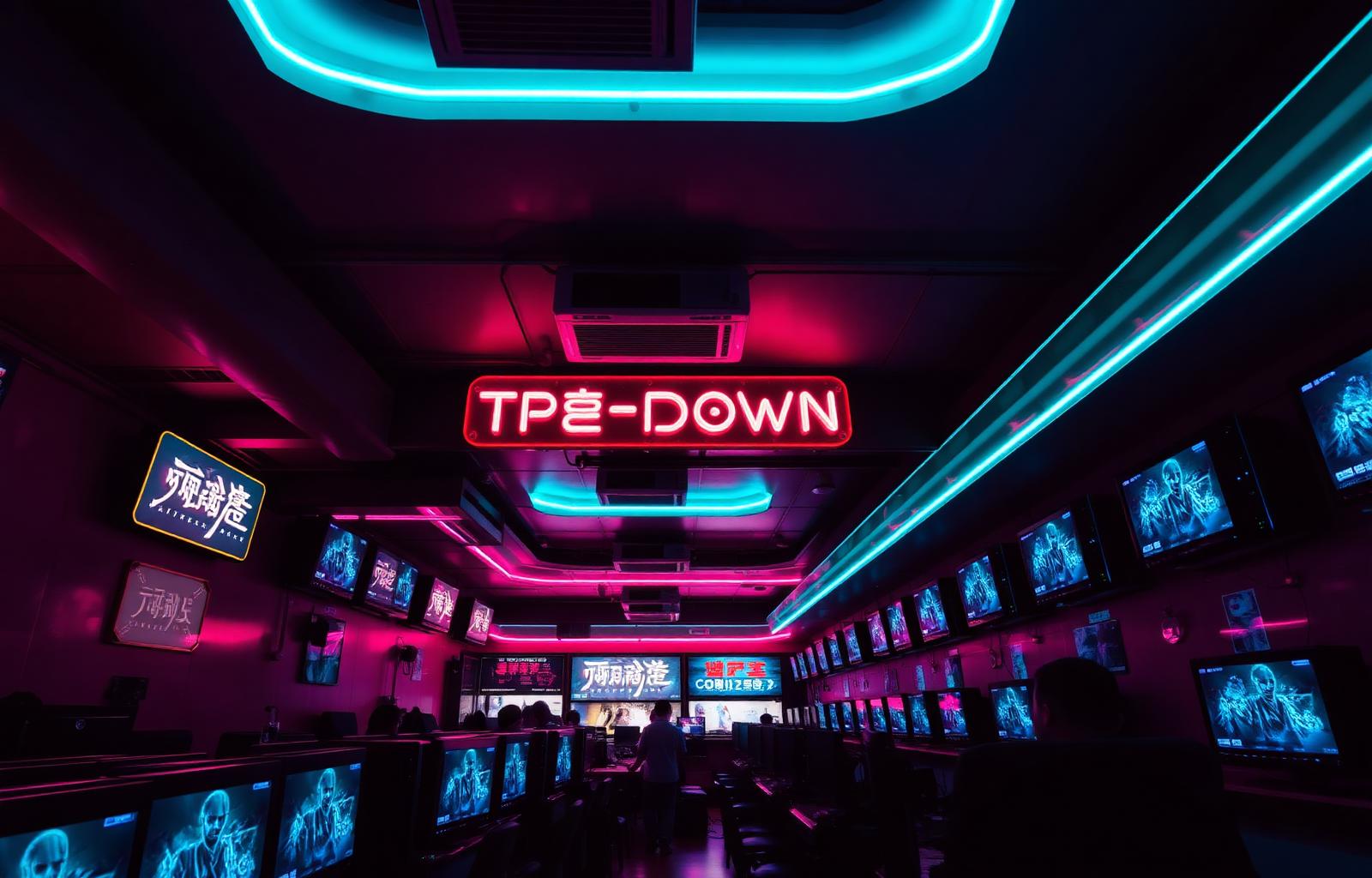
In Korea, gaming is not a subculture — it is part of the national fabric. Children learn tournament etiquette before they learn to drive. Stadiums sell out for grand finals. Pro players sign endorsement deals alongside K-pop idols.
The roots go back to the IMF crisis of the late 1990s, when affordable PC bangs blossomed across every neighborhood. Out of those rooms came the first generation of professional StarCraft players, the first televised gaming leagues, and the cultural template that the rest of the world is still catching up to.
04 / Intelligence
Independent Korean studios are leveraging Unreal Engine 5 to compete on production value with Tokyo and Los Angeles giants.
Mid-size publishers are shifting away from gacha monetization toward season-pass models in response to evolving consumer expectations.
The shutdown law was repealed in 2022, signaling a broader policy pivot toward treating gaming as legitimate cultural export.
Venture capital is flowing into Korean web-game studios, AI tooling and motion-capture infrastructure across the Pangyo Techno Valley.
Universities now offer accredited esports management and game-design programs, formalizing a career pathway that was once informal.
Korean MMORPGs continue to dominate Asian markets, with new mobile-first releases finding strong traction in Latin America.
05 / Lexicon
06 / Archive
07 / Timeline
Government investment in nationwide broadband infrastructure lays the rails for an online-gaming-first culture.
OnGameNet and MBC Game broadcast StarCraft matches to millions, normalizing pro gaming as mainstream entertainment.
Smartphone adoption hits saturation; KakaoTalk-integrated games introduce billions of micro-sessions per day.
Twitch, AfreecaTV and YouTube Gaming create a parallel star economy around personality-driven creators.
Policy shift recognizes gaming as a cultural and economic pillar rather than a regulated vice.
Generative systems begin reshaping live-service content, NPC behavior and dynamic narrative production.
08 / Voices
“I grew up in a PC bang two blocks from my apartment. My team is more family than friends.”
“Korean speedrunning is quieter than streaming, but the discipline runs deeper than people imagine.”
“I play on a commuter train every morning. My audience watches the same train, the same game, every day.”
“We made our first title in a Pangyo coffee shop. Two years later it sold a million copies.”
“Our scholarship lets me train six hours a day. That would have been impossible ten years ago.”
“Customers come for the hardware. They stay for the people sitting next to them.”
09 / Arena
FLAGSHIP
The standard-setting domestic league whose finals routinely sell out the Gocheok Sky Dome.
10 / Workbench
Korean panel manufacturers leading the global shift to high-refresh OLED at competitive price points.
Sub-1ms peripherals becoming the new tournament baseline across PC bangs nationwide.
60% keyboards and ultraportable handhelds dominating commuter and dorm setups.
Open-loop liquid systems trending in enthusiast builds, especially in summer-heat Seoul apartments.
11 / Portrait
The modern Korean player moves fluidly between three contexts: the highly social PC bang, the focused home rig, and the constant companion of the smartphone. Each context shapes a different play style — and the best titles design for all three.
Engagement is rarely about a single title — Korean players cultivate portfolios, switching between a competitive main, a cozy second game and a mobile filler depending on mood and context.
12 / Growth
The two-hour daily metro commute reshaped session length and UI design across the entire mobile catalogue.
Top titles now sync between mobile and PC accounts, blurring the line between casual and hardcore play.
Strategy and RPG hybrids are outpacing hyper-casual titles in revenue for the first time in a decade.
13 / Horizon
Procedural narratives and AI-driven side quests becoming first-class design pillars.
Cross-game avatars and reputation systems forming the connective tissue of player networks.
Stadium tournaments synchronized with in-game arena spectatorship at unprecedented scale.
Transparent battle passes replacing opaque gacha mechanics as the default revenue model.
Studios building difficulty modes, motion options and audio cues into the core design loop.
Couch co-op returning through portable hardware and split-screen renaissances.
Latency-tolerant cloud titles becoming indistinguishable from local installs in dense urban areas.
Mixed-reality overlays transforming the home into a configurable game environment.
14 / Reference
A combination of national broadband infrastructure, the cultural institution of the PC bang, and a televised esports league dating back to the late 1990s gave Korea a 20-year head start in normalizing professional play.
PC bangs are LAN cafes optimized for high-end gaming — comfortable seats, premium peripherals, refreshments and lightning-fast connections. They remain social hubs where friends meet, scrims happen and trends are born.
Mobile has overtaken PC in raw revenue, especially among casual and commuter audiences. PC remains dominant in esports, MMORPGs and the hardcore competitive segment.
Historically yes — StarCraft, then League of Legends defined eras. Today, Valorant, mobile MOBAs, fighting games and battle royales all have thriving domestic leagues.
Expect deeper integration of AI-driven content, expansion of cloud gaming in dense urban areas, and continued global export of Korean-built MMORPGs and mobile titles.
15 / Closing transmission
Gaming in South Korea is no longer a hobby, an industry, or a subculture in isolation — it is the connective tissue between generations, neighborhoods, and global audiences. The stadiums, the PC bangs, the commuter trains and the bedroom rigs all hum at the same frequency. Ulvexora exists to listen to that signal and translate it into stories.
Long-form essays, field reports and visual journalism on Korean gaming culture.
Seoul, Busan, Daegu, Incheon and the broader Korean Peninsula gaming corridor.
English-speaking readers, researchers and industry observers tracking the region.